The increasing deployment of robots for industrial inspection, public safety, and remote surveillance relies heavily on public cellular networks like 4G and 5G for command and control. This dependency introduces a significant cybersecurity consideration. Traditional network security models, which often operate on a "trust-but-verify" principle within a defined corporate perimeter, are insufficient for devices operating over public networks. The communication link between a robot and its controller becomes a potential vector for interception, data theft, or malicious takeover. Ensuring the integrity and confidentiality of these transmissions is not merely an added feature but a foundational requirement for the safe and reliable use of robotics in sensitive or critical operations.
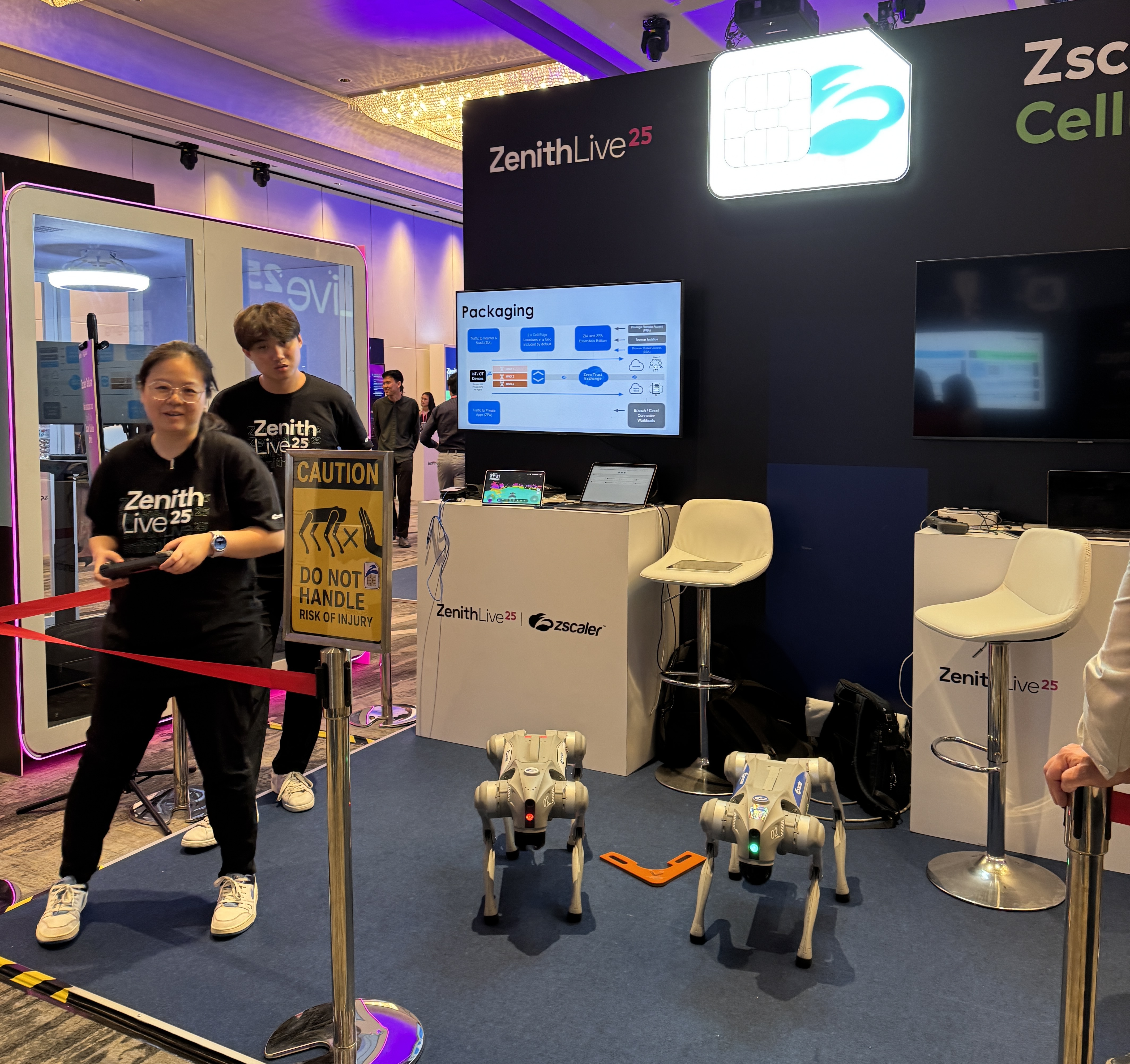
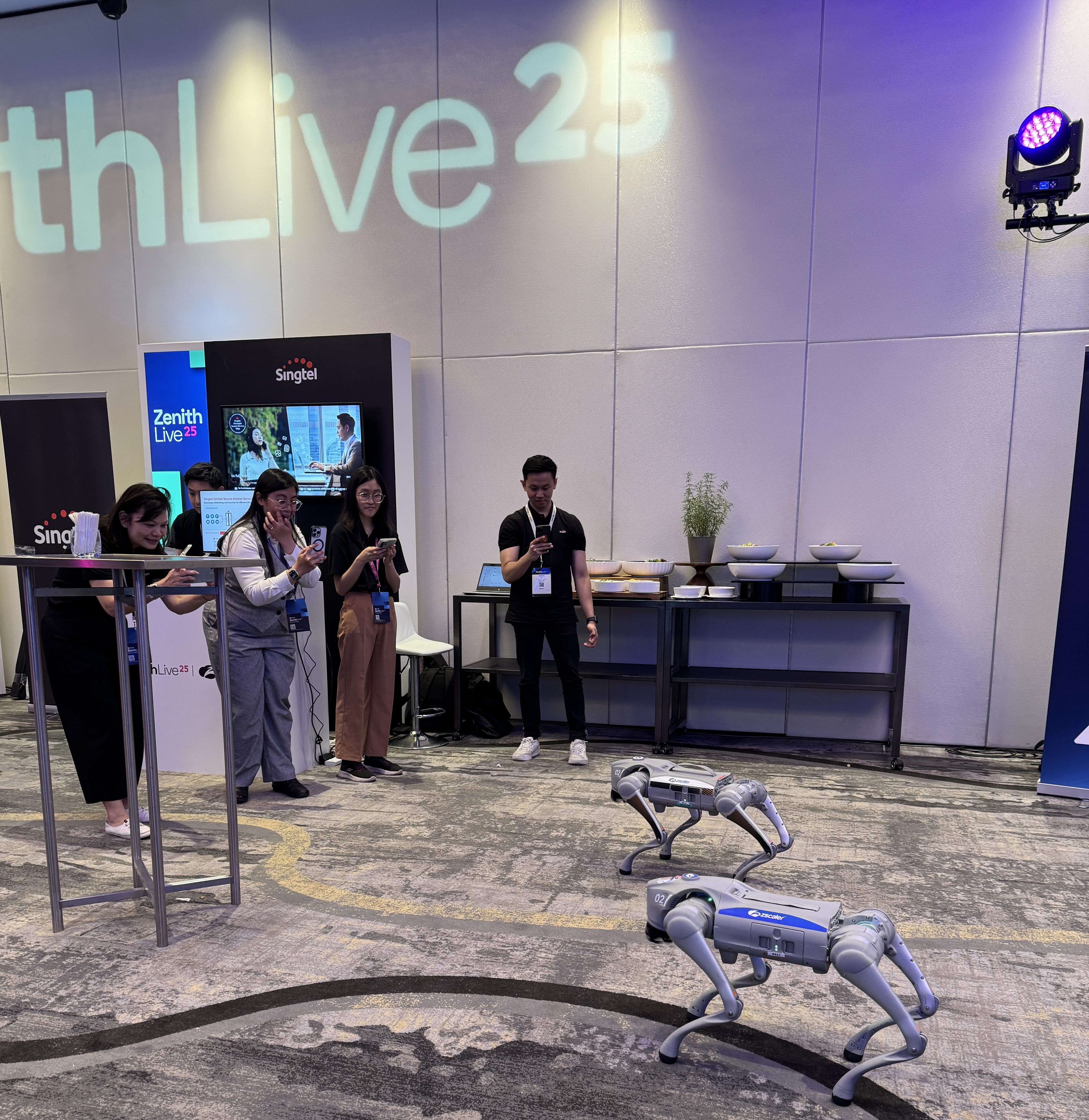
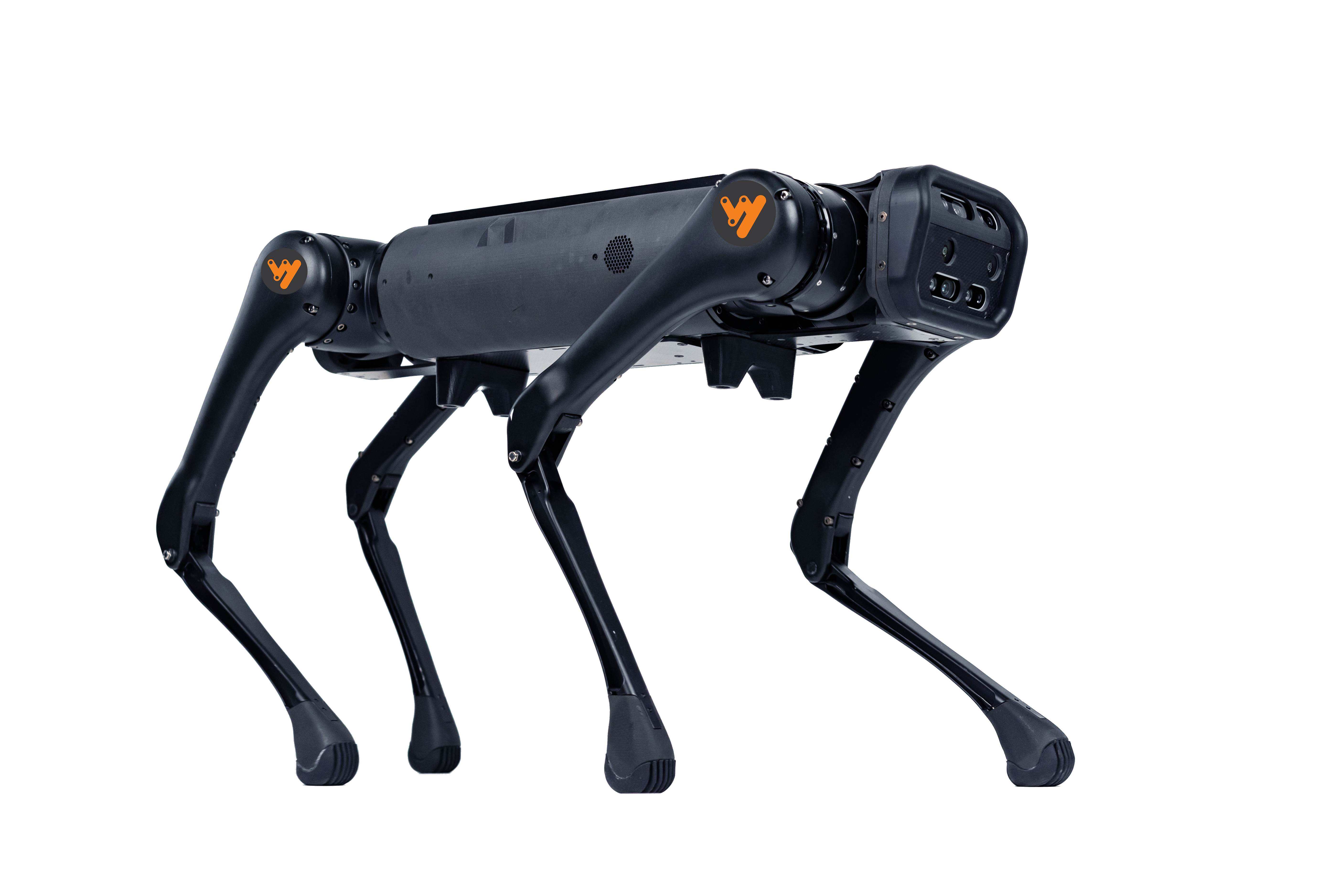
Addressing this critical need, a proof-of-concept was recently showcased involving Weston Robot and Zscaler. At the Zenith Live 2025 event in Singapore, Zscaler, a leader in cloud security, demonstrated the practical application of its Zero Trust Exchange platform. For this demonstration, Weston Robot provided a customized robotic dog, configured to exclusively use a cellular connection for communication. The core objective was to validate a security model that inherently trusts no one and no device, whether inside or outside a corporate network. Every data packet transmitted between the robot and the control system was continuously verified based on identity and context, effectively making the communication channel invisible and inaccessible to unauthorized entities.
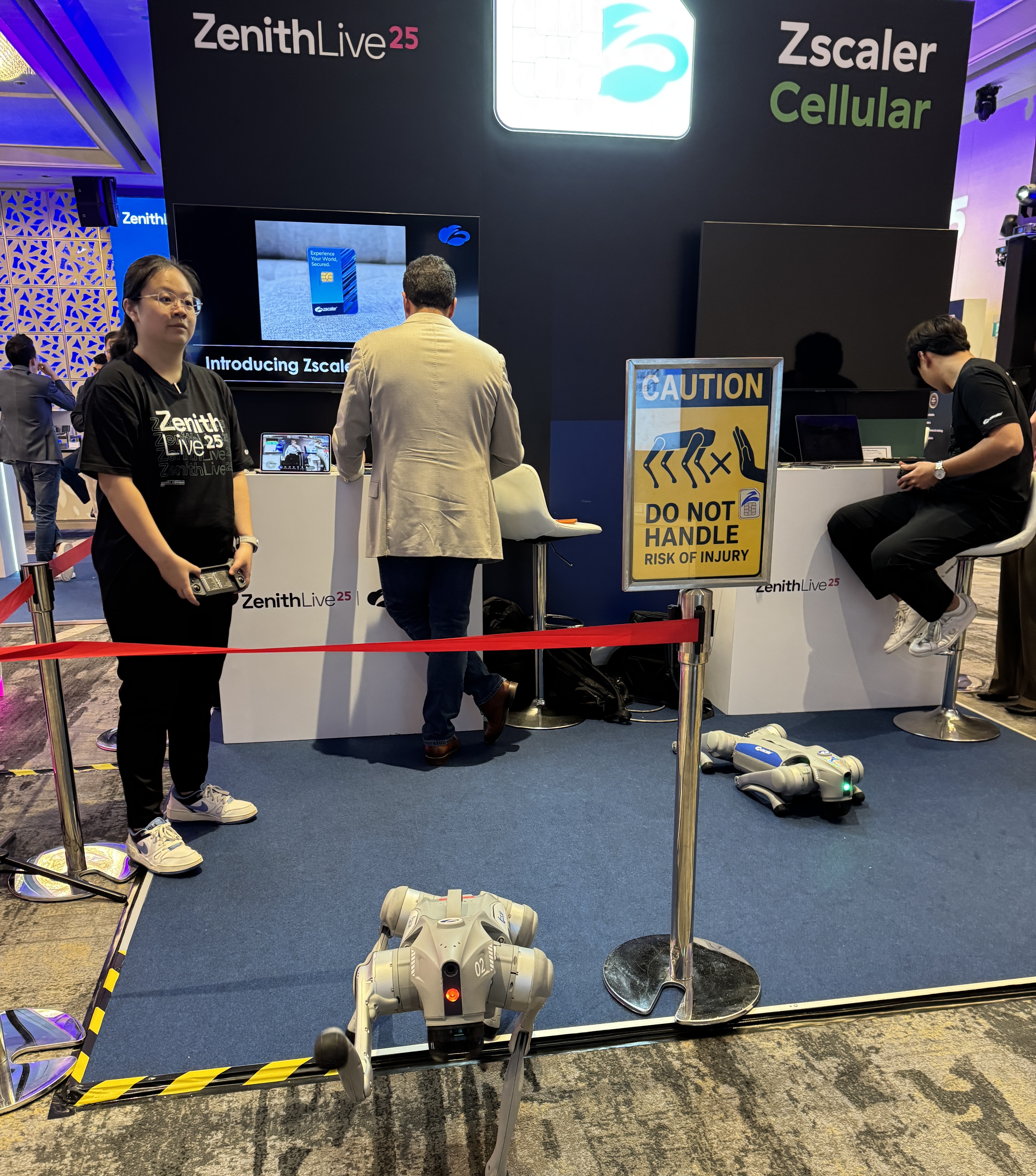
By successfully integrating Zero Trust architecture into a live cellular-connected robot, the demonstration provides a tangible reference for mitigating the security risks associated with remote operations. It moves beyond theoretical concepts to show that robust security can be implemented directly at the operational technology level. For industries considering the adoption of autonomous systems, this validation is a critical step. It confirms that with the right security frameworks, such as those based on Zero Trust principles, organizations can confidently leverage the benefits of robotics and public cellular networks without compromising on security posture.